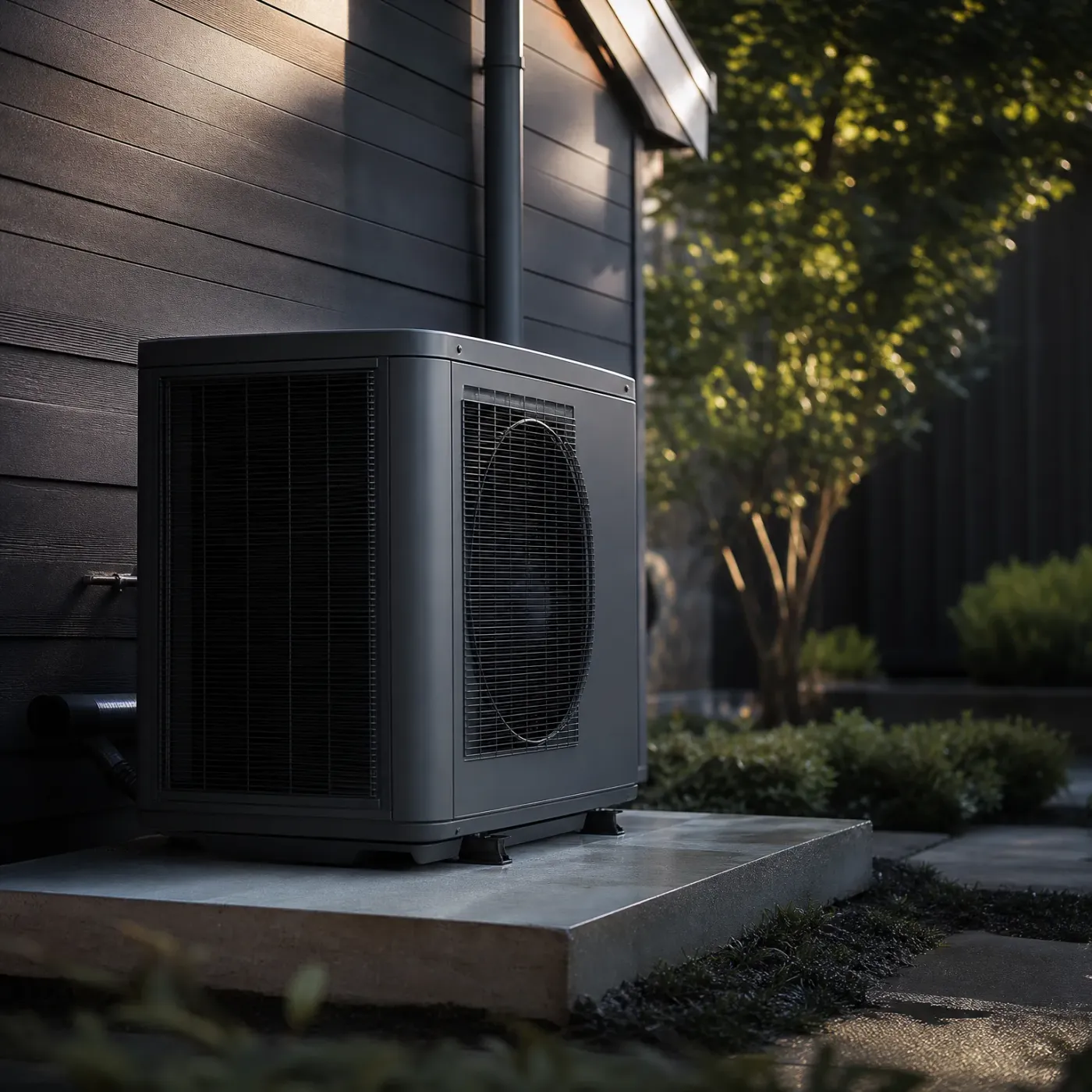
A pro who works on heat pumps
How cold is too cold for a heat pump in Nevada
Most heat pumps lose their edge somewhere in the 25 to 35 degree range, and Nevada winters can sit right in that spot overnight, even with gas heat backing up the system in a lot of homes here. This page gets into what that means for your heat pump and when it's worth having someone look at yours. Answer that, and a contractor who works on these systems in Nevada can take it from there.
Find my proA heat pump starts struggling once outdoor air drops into the 25 to 35 degree range, and below that it loses most of its ability to pull heat from outside air at all. That's the point where it's "too cold," not because the unit breaks, but because there's less heat in the air for it to move into your house. In Nevada, nights in Reno, the Sierra foothills, and other higher elevation spots can sit in that range for weeks at a time in December and January, while Las Vegas usually stays milder. Most homes here have a gas furnace to take over when temperatures drop that low, so the heat pump isn't working alone. If your home doesn't have that backup, or if the switchover isn't happening the way it should, you'll feel it as rooms that stay cool no matter how high you set the thermostat, and a system that runs constantly without catching up.




A heat pump doesn't make heat the way a furnace does. It pulls heat out of the outside air and moves it into your house, which works fine even on a cold day because that air still holds some warmth. The problem is how much warmth is left to grab once the temperature drops. Colder air gives the system less to work with, so it runs longer and harder to put out the same warmth. Somewhere in the 25 to 35 degree range, frost starts forming on the outdoor coil. When that happens, the unit has to stop heating for a few minutes and run a defrost cycle, which sends the heat it just pulled in back outside to melt the ice off the coil. That's time and heat the house isn't getting. In most Nevada homes, a gas furnace is wired in behind the heat pump for exactly this reason, and it's set to take over automatically once the outdoor air gets too cold for the heat pump to keep pace. The house stays warm either way. The heat pump just does less of the work as the temperature falls.
How a heat pump loses heat
- A heat pump moves heat by pulling it out of outside air, even when that air feels cold to you.
- As the outdoor temperature drops, there's less heat in the air for the system to grab, so it has to work harder for the same result.
- Below that 25 to 35 degree range, the outdoor coil can start frosting over, and the unit has to pause and run a defrost cycle to clear it.
- Every defrost cycle briefly sends heat outside instead of into your house, which is part of why output drops on the coldest nights.
- Most Nevada homes back up the heat pump with a gas furnace that takes over once the outdoor air gets too cold for the heat pump to keep up.
- That switchover is usually set to happen automatically, so the house keeps getting warm air even as the heat pump's share of the work drops off.


On a clear Nevada night in January, the temperature at your house can drop 20 degrees or more after sunset, which is exactly when a heat pump's output falls off.
That's why most homes here pair a heat pump with gas heat. The furnace picks up the load overnight so your house stays warm without asking the heat pump to do a job it can't finish alone.


What This Looks Like at Home
- On a cold Nevada night, you'll notice the air coming out of your vents feels cooler than it did earlier in the evening.
- Your gas furnace will kick in more often to cover the gap, so your gas bill reflects those cold nights more than your heat pump does.
- A heat pump working below its range runs longer to get the same result, which shows up as extra wear on the outdoor unit over time.
- If your thermostat is set to hold one temperature all night, you may notice rooms farthest from the vents cooling off first.
- A system that's sized or installed wrong for Nevada's swings will hand off to gas heat too late or too early, and you'll feel that as a draft or a temperature swing indoors.
- None of this means the heat pump is broken, but it does mean your household feels the difference between a system matched to these winters and one that isn't.
You won't see a warning light or a code when a heat pump hits its limit. You'll feel it in the house. Vent air turns cooler than it was an hour before, the furnace cycles on more than usual, and a room at the end of the duct run lags behind the rest. None of that means anything is broken. It means the outdoor unit is pulling heat from air that doesn't have much heat left to give, so it leans on the gas furnace to finish the job.
Where this shows up first is your gas bill, since that's the system absorbing the cold nights, not the heat pump itself. Where it shows up second is wear on the outdoor unit, because a system running longer to hit the same setpoint puts more hours on the compressor over a winter than one that hands off to gas cleanly.
A thermostat held at one temperature overnight can make the unevenness more obvious, since the rooms farthest from the vents are the ones that cool first when the heat pump is losing ground. And if the system was sized or set up without Nevada's overnight swings in mind, that handoff between heat pump and furnace happens a little late or a little early, which you feel as a draft or a swing in temperature rather than a steady room.
Your household feels this before any gauge does. A system matched to how cold it actually gets here, overnight and not just on paper, is what keeps that handoff invisible.
Power costs 13.26 cents per kilowatt-hour statewide
At that rate, the gas furnace backing up your heat pump on cold nights costs you less to run than you might expect. It's one reason so many Nevada homes lean on gas once the temperature drops, rather than pushing the heat pump to keep up on its own.
EIA-861 2025 statewide residential average
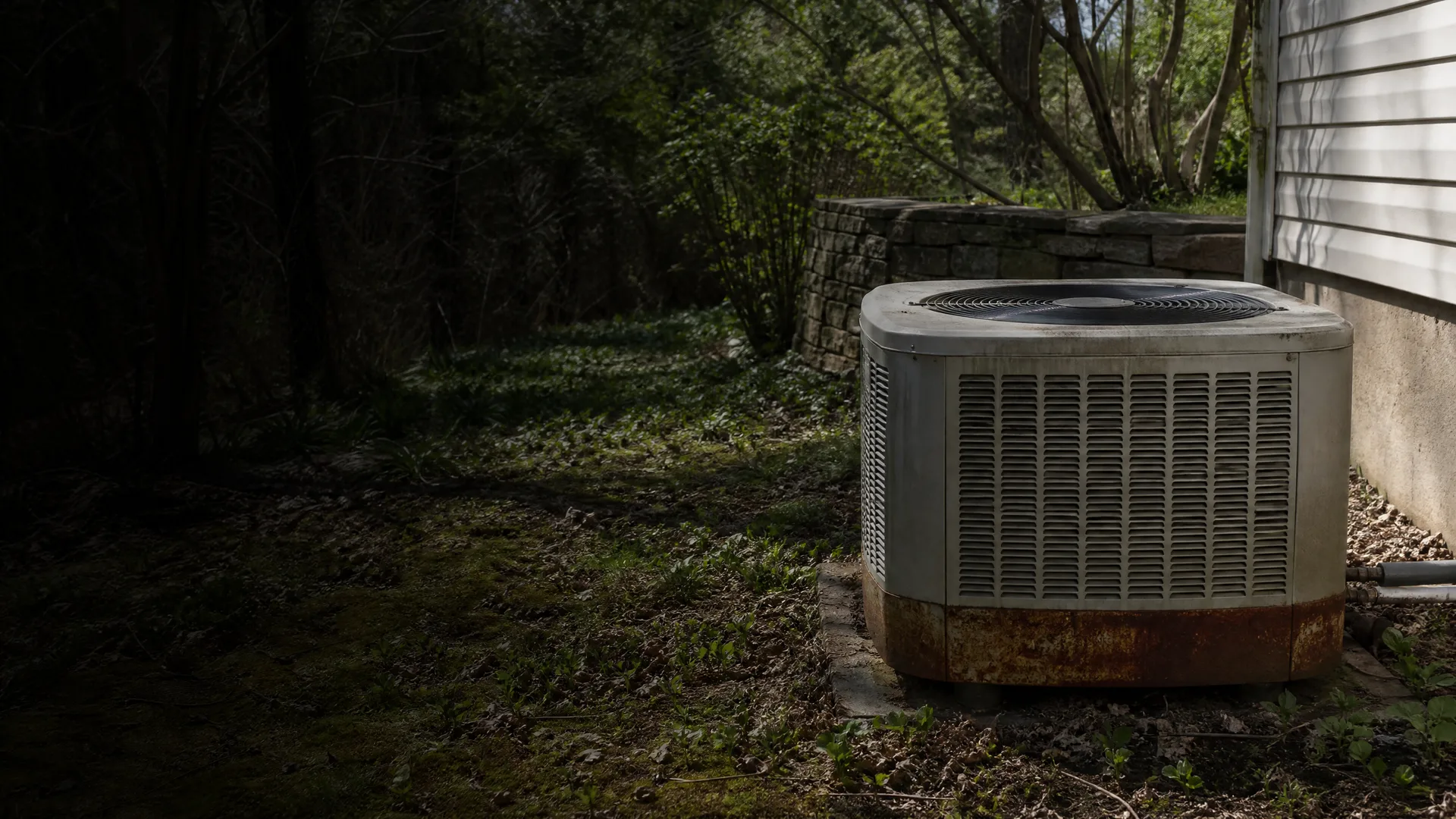
You're out in the side yard in late March, coiled hose in hand, about to turn the water back on for spring. The outdoor unit sits where it's sat for years, rust creeping up along its base from winters of frost and runoff. It's quiet now, the afternoon sun warming the metal, nothing running. You crouch down and notice the rust has spread further than you remembered, flaking where the panel meets the ground. You make a note to ask someone about it before next winter catches you off guard again, and head back inside, the thought already settling instead of nagging.
Get your heat pump to the right pro
If your heat pump is losing ground on cold Nevada nights and the gas furnace is covering more of the load than it used to, that's usually a sign the system is older or was never quite matched to your house. A new heat pump installed for this climate holds its output further down the temperature range, so the furnace isn't picking up the slack as early in the evening. That changes what you pay on the gas side without you having to think about it again. Figuring out what size and model fits your house, and getting it installed before next winter, is its own project on top of everything else on your plate. Handing that off to a contractor who already knows what Nevada winters do to this equipment means you're not the one tracking down quotes or guessing at specs. You just need the right person looking at your setup.


Keep It Running or Replace It Now
Keep the old heat pump
- It still works on the mild nights, so you only notice the gap when the temperature really drops.
- The gas furnace is already doing more of the work than it used to, so you're paying for backup heat that a better-matched system wouldn't need as often.
- Rust or wear on the outdoor unit tends to get worse each winter, not better, once it starts.
- You're guessing at how much colder it can get before the heat pump stops contributing anything useful.
- Nothing changes about how your house is heated day to day, for better or worse.
Install a new heat pump
- A system sized and chosen for Nevada winters holds its output further down into the cold than an older or mismatched unit does.
- The gas furnace still backs it up on the coldest nights, but it covers less of the load than it does now.
- You get a unit that matches your house instead of one that was never quite right for it.
- Finding a contractor to handle the sizing and installation stops being something you have to figure out yourself once you send the form.
- You're not left wondering each cold snap whether this is the night the old unit finally falls behind.

Summer dew points here average 37°F, which is dry even by Nevada standards. That dryness doesn't change how your heat pump handles winter nights, but it's part of why the unit outside can run most of the summer without laboring the way it would in a sticky climate. The air it's pulling heat from in January is a different story. Low humidity in summer means less strain on the system from moisture, so the wear that shows up later tends to come from cold nights, not hot ones. Source: regional climate averages for Nevada.
NASA POWER T2MDEW county cells weighted by homes
Why does your gas furnace seem to run more than it used to?
If you've noticed the furnace kicking on more often on cold nights, or running longer stretches before it shuts off, that's your system leaning harder on gas heat because the heat pump outside isn't pulling its share. You might hear the furnace cycling at odd hours, or notice the vents blowing warm air that used to come from the heat pump alone. None of this means something is broken. It usually means the heat pump is reaching its limit earlier in the night than it should, which puts more of the load, and more of the cost, on gas heat than a better-matched system would.

Your heat pump pulls heat out of the outside air, not from burning fuel.
The refrigerant inside the outdoor coil absorbs that heat and turns to gas.
A compressor squeezes the gas, raising its temperature further.
That heat moves inside through the indoor coil and into your ducts.

So where does that leave your heat pump
Your heat pump starts losing ground somewhere in the 25 to 35 degree range, and on a cold Nevada night it can sit right there for hours. That's not a flaw in the unit. It's just how much heat is left in the air for it to pull from. Your gas furnace picks up what's left, which is exactly what it's there for.
If the furnace has been carrying more of that load than it used to, or the heat pump outside is showing its age, it may be worth having someone look at whether the system still fits your house. Sharing a few details connects you with a contractor who installs heat pumps suited to Nevada winters, and that contractor will reach out to you directly. From there, it's off your plate.

The right pro for this job