NV Heat Pump Finder

Why your heat pump keeps short cycling in Nevada

Step 1 of 3: Equipment

Why does my heat pump keep turning on and off so much?

You notice the heat pump kicking on, running a few minutes, then shutting off again, over and over. It never seems to settle into a steady run. You caught it early, before it turned into a bigger repair, and now you want to know what's actually causing it before it wears on the system any further.

Usually a refrigerant or airflow problem making the unit think it's done too soon

Short cycling almost always comes down to the heat pump sensing a temperature it shouldn't be seeing yet and shutting off early. A low refrigerant charge, a dirty filter blocking airflow, or a failing sensor can all trick the system into cutting the cycle short. In summer here, with the unit working hard against dry desert heat, a low charge shows up faster because the coil has less margin before it reads as satisfied or frozen. An oversized heat pump will do the same thing even when nothing's wrong with it, since it cools the air too fast and shuts off before it's actually finished the job. Left alone, the on-off pattern wears on the compressor, which is the most expensive part to replace.

A smiling man in a navy long-sleeve shirt sits at a wooden table in a kitchen and dining area, with a ceramic mug, a potted plant, and a sliding glass door behind him.
A smiling bearded man in a green henley shirt stands at a kitchen island with a gray mug, looking off to the side, with a dining area and shelves blurred behind him.
A smiling bearded man in a navy sweater sits at a white kitchen island with a ceramic mug, with open shelves, potted plants and a range hood behind him.
A smiling man in a dark olive long-sleeve shirt sits in a kitchen beside a counter with a dark mug, with a dining table, sideboard and hallway visible in the blurred background.

Short Cycling vs. Normal Cycling

Short Cycling

  • The unit starts, runs for a few minutes, then shuts off before the house actually cools or warms up.
  • A dirty filter or a low refrigerant charge can trip the system's safety switch and cut the cycle short.
  • A thermostat mounted somewhere it reads the wrong temperature will tell the unit to shut off too soon.
  • A unit sized too large for the house will satisfy the thermostat fast and shut off before it dehumidifies the air.
  • An outdoor coil caked with dust from a dry Nevada summer can't shed heat fast enough, so the compressor overheats and shuts down.
  • Each start draws a jolt of power through the compressor, and with Nevada power rates low that part of the bill stays small even as the wear adds up.

Normal Cycling

  • The unit runs long enough to bring the house to temperature, then shuts off and stays off for a stretch.
  • A full run in summer heat might last fifteen minutes or more before the thermostat is satisfied.
  • The off time between cycles is steady, not erratic, and matches how hot or cold it is outside.
  • You don't hear repeated clicking or restarts within the same few minutes.
  • Airflow out of the vents stays strong and steady for the whole run, not weak or gusty.
  • Since most Nevada homes heat with gas, the heat pump here is mainly doing summer cooling, and a normal cycle there still ends with the house noticeably cooler.
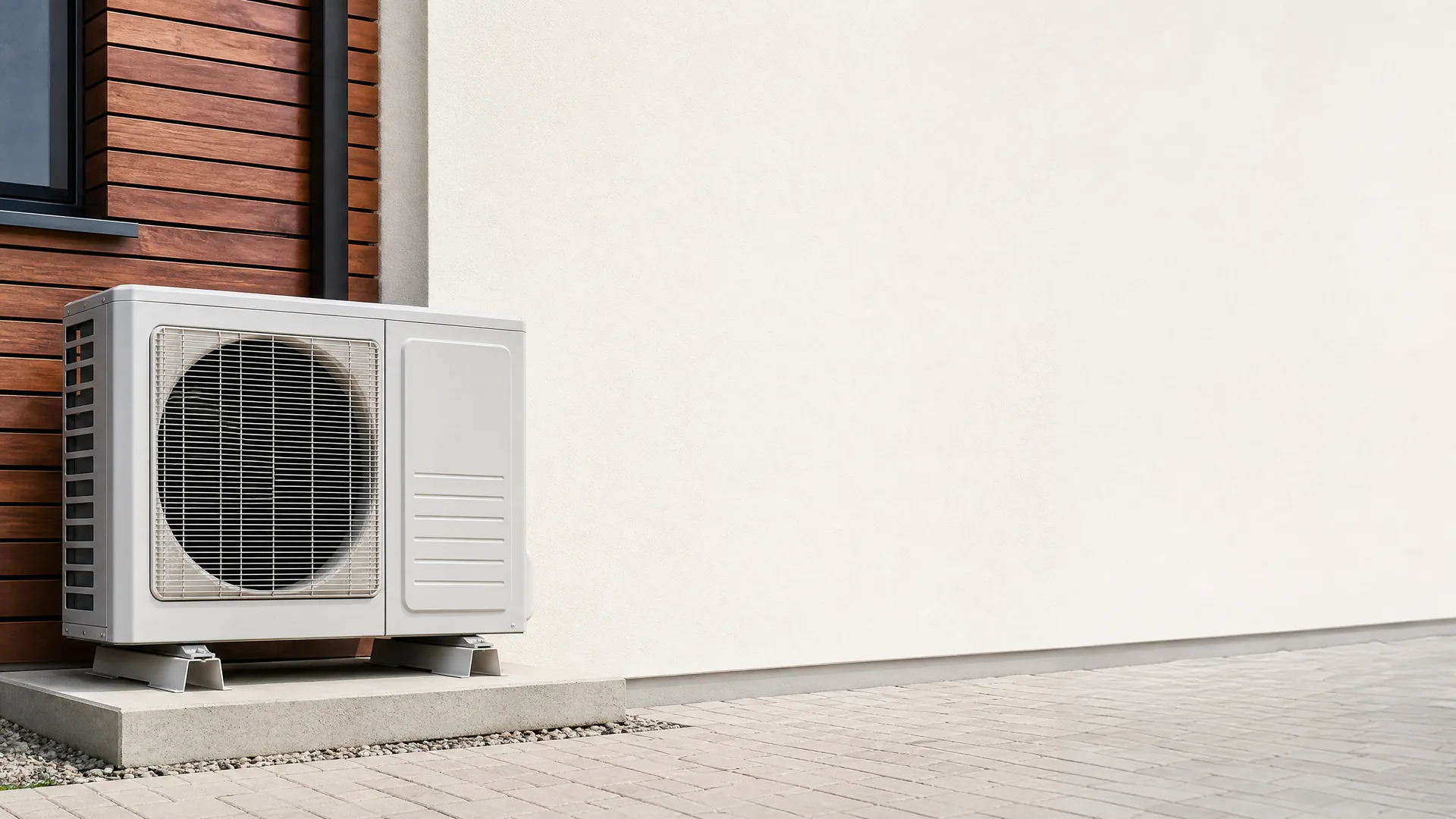
A white outdoor heat pump unit on a concrete pad beside a house with wood-slat siding and a large plain light-colored stucco wall, with paving stones in the foreground.

The Compressor Takes the Hit

A heat pump's compressor is built to ramp up and hold a steady run. Each time it stops and restarts, it draws a surge of current just to get moving again. Do that every few minutes instead of running a full cycle, and the compressor is working through dozens of these surges a day instead of a handful. Over time that wear lands on the compressor itself, which is the most expensive part in the outdoor unit to replace.

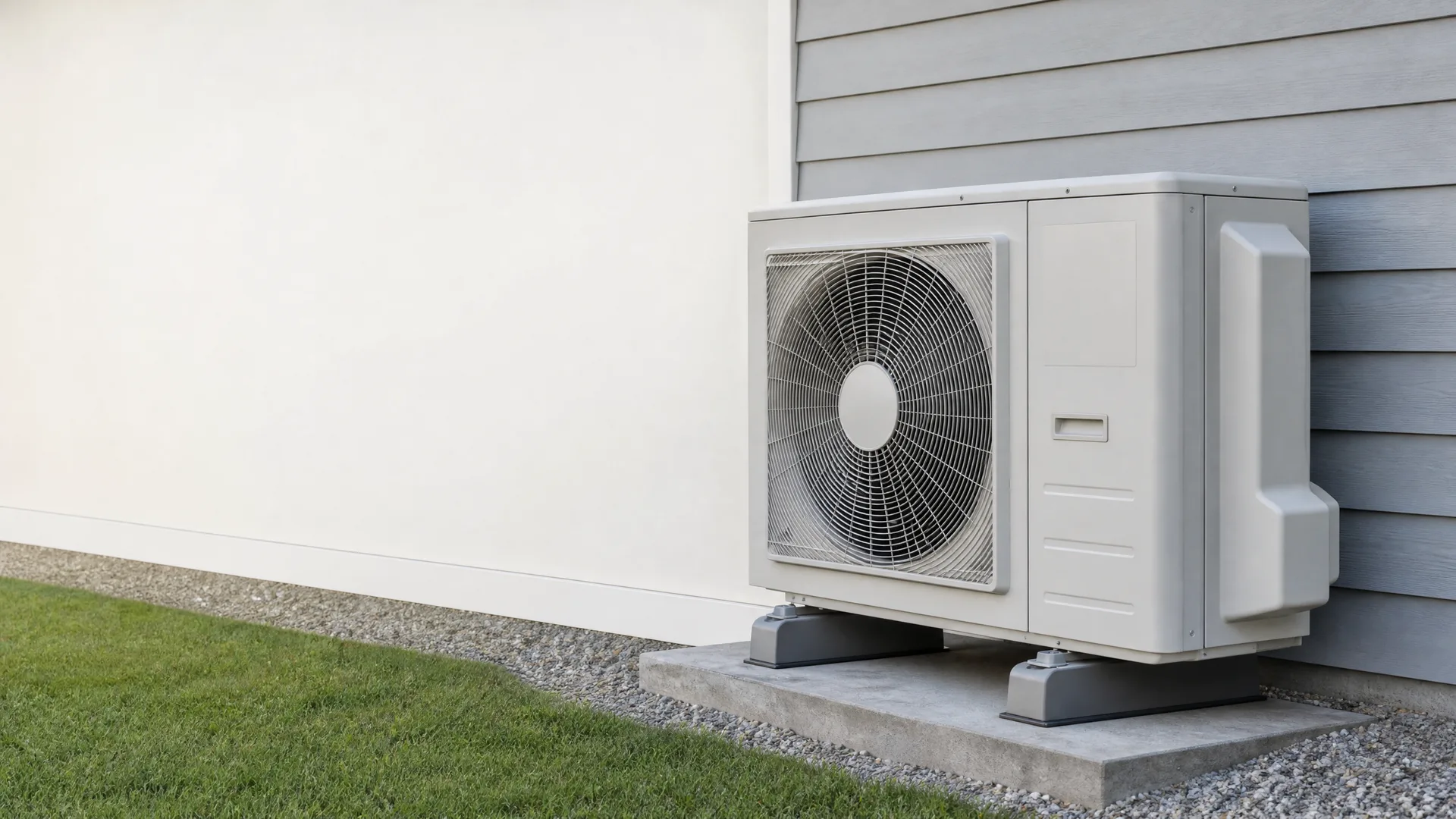
A white outdoor heat pump unit on rubber feet sits on a concrete pad beside a gray-sided house wall, next to a smooth light wall, gravel strip and lawn.

Dry Summer Air Hides the Cause

In Nevada's dry heat, a refrigerant leak or a weak capacitor won't show up the way it might somewhere humid. There's no extra moisture in the air to make a frozen coil obvious or to slow down how fast a low charge trips the pressure switch. The unit just shuts off sooner than it should, and because gas heat handles the winter side of things, a short-cycling pattern caught in July might be the only warning sign you get all year.

Power costs 13.26 cents per kilowatt-hour statewide

At 13.26 cents a kilowatt-hour, a heat pump that's short cycling isn't just straining the compressor, it's pulling that surge of current over and over instead of settling into one steady run. You'll see it on the bill before you see it anywhere else.

EIA-861 2025 statewide residential average

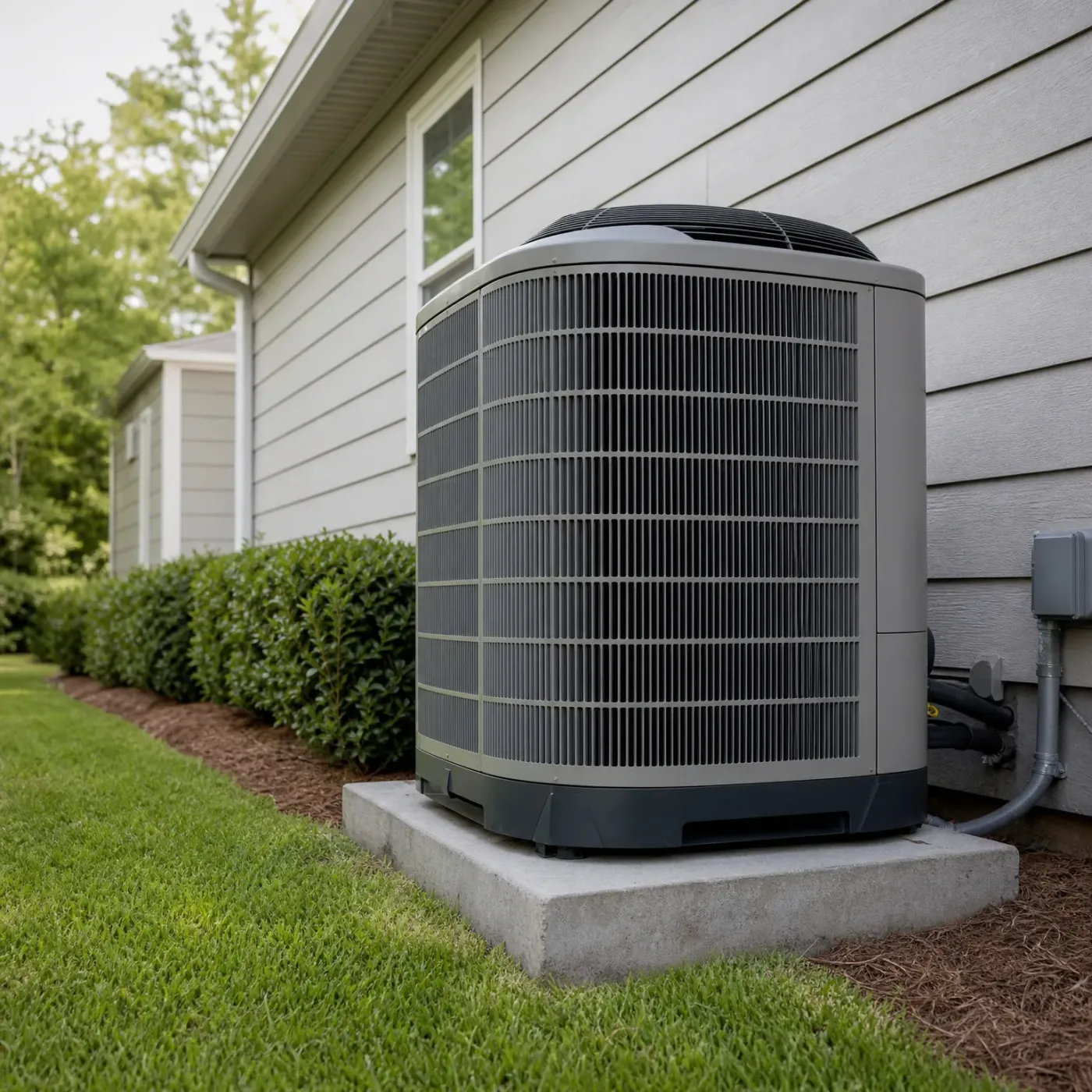
A gray outdoor heat pump unit on a concrete pad beside a house with horizontal lap siding, with a conduit running to a wall-mounted disconnect box and a green shrub to the left.

Running Clean

A heat pump that's cycling right starts, holds a steady run long enough to actually cool or heat the house, then shuts off on its own. The coil fins stay clear and the pad around the unit stays clean. Nothing around the base builds up to block airflow.

An outdoor air conditioner condenser unit on a concrete pad beside a house with horizontal vinyl siding, with refrigerant lines and an electrical disconnect box on the wall and dry leaves on the ground.

Starved for Air

Dirty coil fins and leaves piled against the base choke off the airflow the unit needs to finish a run. Starved that way, it trips off early, then fires back up a few minutes later to try again. That's the short cycling, and it keeps repeating until the coil and the base are clear.

A smiling man in a dark blue T-shirt sits on a light gray sofa in a living room with a wooden shelf and window behind him, with a laptop edge visible in the foreground.
A bearded man in a plaid flannel shirt stands indoors looking out a frost-covered window, with a steaming dark blue mug on the wooden sill and snow-covered trees outside.
An outdoor condenser unit on a concrete pad beside a light-colored lap-sided house, with a trimmed hedge, mulch bed and mowed lawn nearby and an electrical box and conduit on the wall.

Hand off the search today

Your request stays with one local pro.

Send the request today and let a heat pump pro reach out to you.

Reach a local pro

You only hire the pro if you want to.

What are you noticing around your own unit

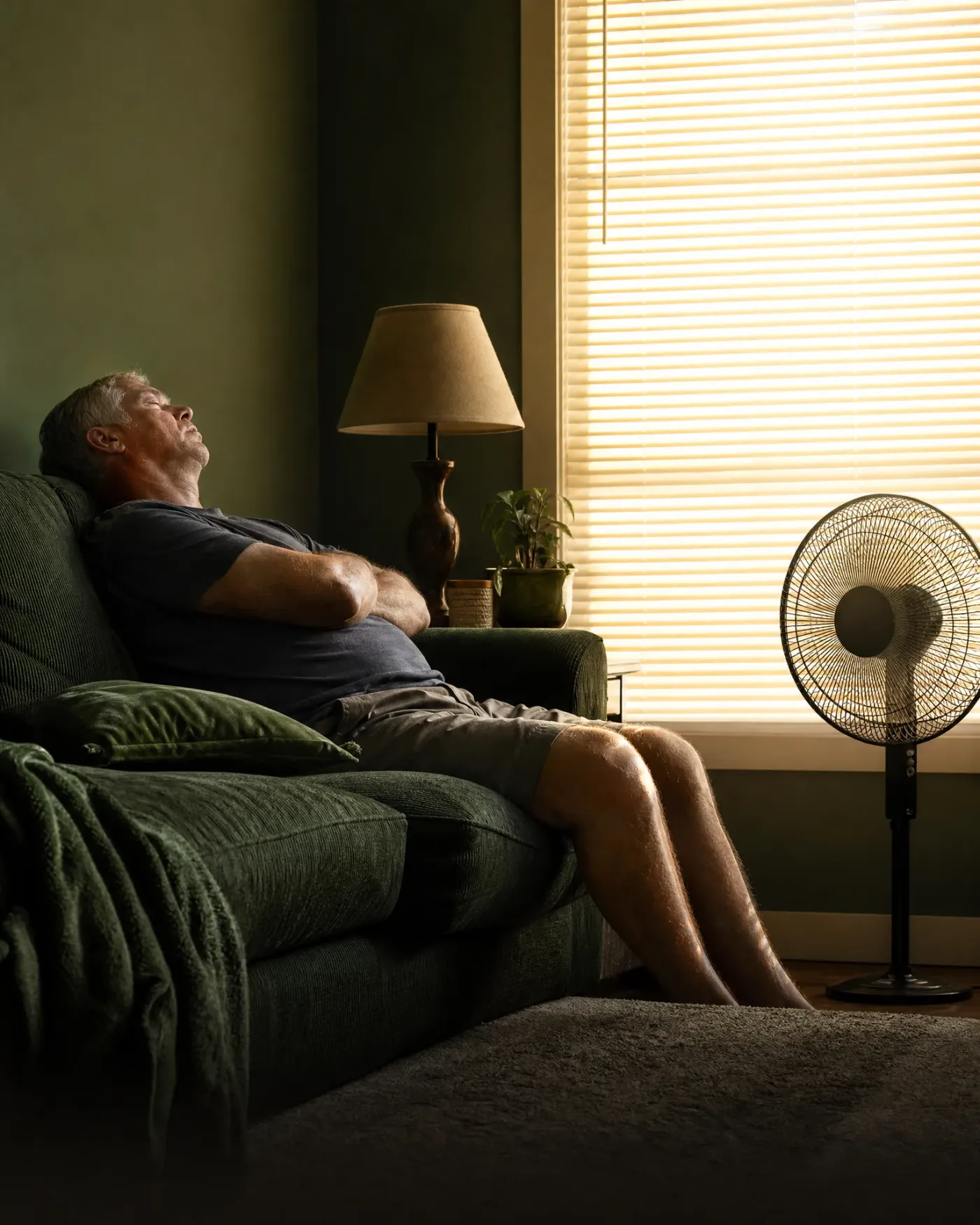
Walk past your outdoor unit and listen. It clicks on, hums for a couple minutes, then goes quiet, and a few minutes later it starts again. Inside, the air from the vents feels lukewarm more often than it should, because the system keeps stopping before it finishes a full run. Your thermostat might show the temperature creeping up a degree or two even with the unit cycling constantly. Check the breaker panel too. A heat pump that starts and stops this often puts real wear on the compressor, and a compressor that fails is one of the more expensive repairs a heat pump can need.

An outdoor condenser unit beside a horizontally sided house, encased in thick ice with hanging icicles, on a snow-dusted ground at sunset with bare trees in the background.

Six in the morning, still dark, and you go out the side door for the trash cans. The cold hits you first, the dry kind of cold Nevada gets in January. Then you see it. The outdoor unit is coated in ice, thick over the coil fins, a ridge of it built up along the base pan. You crouch down and there's no hum, no click, nothing running. Frost has crept up the refrigerant line a few inches past the unit itself. You think about the lukewarm air from the vents the last few nights and it makes sense now. You touch the ice and it doesn't give. Somewhere behind you the heater kicks on inside the house, working harder than it should have to this early.

A gray outdoor condenser unit on a concrete pad beside a house with horizontal lap siding, with a wall-mounted disconnect box, conduit and insulated refrigerant lines, a shrub at left and gravel at right.
This unit runs its cycle, shuts off on its own, and the pad and coil fins stay clear underneath it.
An outdoor condenser unit on a concrete pad beside a horizontal-sided house, with insulated refrigerant lines running to a wall-mounted box, surrounded by bare dirt.
This one's older and weathered, and a short cycle like this is often the first sign something's wearing out.

A heat pump that short cycles is telling you something wore out or drifted out of range, and it won't fix itself by running more. Catching it now, before the compressor takes the full weight of all those restarts, is why you looked into this in the first place. A local contractor who works on heat pumps all year in Nevada has seen this pattern plenty of times, through the dry heat and the cold mornings, and knows which few things usually cause it. When you send the request, it goes to one licensed contractor near you, not a handful of companies competing for your callback. You get a straight read on what's actually wrong, from someone who already knows what tends to fail on these units here.

A dark wood cabinet with a paneled door and a ceramic pot of green foliage on top stands in a beige-walled room with white baseboard, a window at left, hardwood floor, and a patterned area rug.
A dark wood glass-front cabinet holding folded towels, woven baskets and a ceramic vase stands in a bathroom corner beside a window, with a potted fern and stacked towels on top and a freestanding tub partly visible at left.
A woven basket holding a green cushion and a cream fringed knit throw sits on a wood floor in a room corner beside a window and a dark wooden cabinet.
Corner of a room with a dark wood cabinet topped by a round vase, a linen curtain at a window, white baseboard, oak plank flooring with sunlight patches, and a woven jute rug in the foreground.
A dark wood sideboard against a pale wall holds a shallow stone bowl and a round ceramic vase with leafy branches, with sunlight from a curtained window falling across the wall, wood floor and woven rug.

Hand off the heat pump problem

Your request goes to one pro, not a list of companies.

Find a licensed heat pump pro

Asking costs nothing, and the choice to hire stays yours.