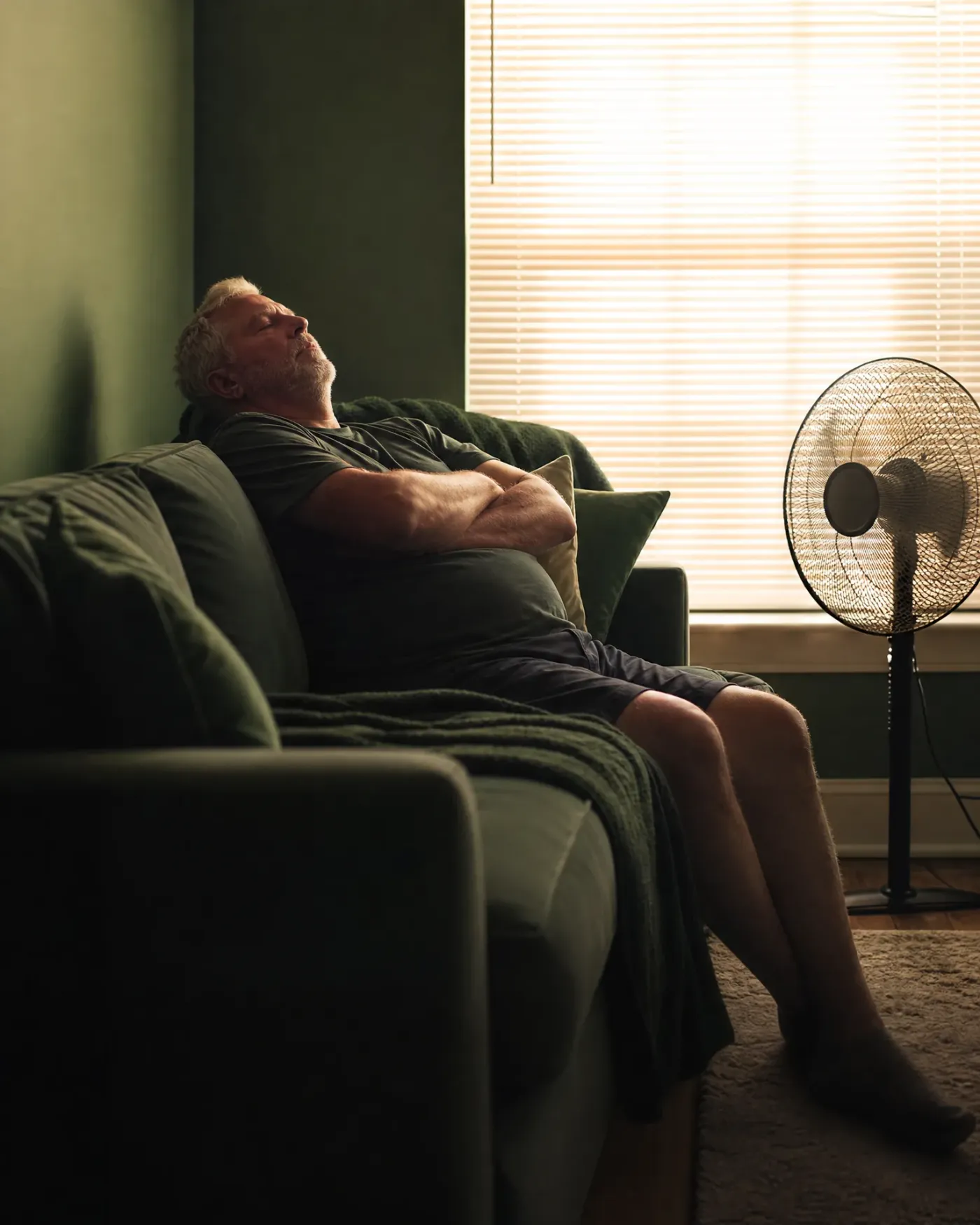
Why your heat pump runs nonstop in a Nevada winter
Why does my heat pump run nonstop in winter?
Cold snaps bring Nevada nights down near freezing, and your heat pump just keeps going, fan running hour after hour without shutting off. You start wondering if it's broken or just working harder than it should have to. With gas heat common around you, you may not have a good sense for what's normal behavior for a heat pump versus a sign something's wrong.
It runs long because it's pulling heat from cold outside air
A heat pump moves heat instead of burning fuel for it, so the colder it gets outside, the longer the unit has to run to hold your thermostat setting. On a night in the 30s, that can mean it runs for long stretches or barely cycles off, and that alone isn't a problem. What's worth checking is whether the air coming out of your vents still feels warm and whether the house is actually holding temperature. If the system runs constantly and the house still feels cool, or you hear it struggling, that points to low refrigerant, a failing defrost cycle, or a unit that's undersized for how cold it gets where you are.






Your heat pump isn't pulling heat from a flame. It's pulling it from outside air, and the colder that air gets, the less heat there is to grab. Once outdoor temps drop into the mid-30s, the unit can't gather enough per cycle, so instead of shutting off and resting, it just keeps running longer, trying to make up the shortfall in time instead of strength. Most homes here have a gas furnace sitting right next to the heat pump for exactly this reason. When it's cold enough, the system is supposed to hand the job over to gas. If that handoff isn't happening, the heat pump gets left to fight the whole load by itself through the coldest part of the night. There are a couple of other ways this shows up too. The outdoor coil needs to defrost itself on a schedule, and a defrost control that's stuck won't let that reset happen. Low refrigerant does something similar. Less heat comes in each cycle, so the unit just runs longer trying to close the gap.
What's Behind the Nonstop Run
- A heat pump moves heat from outside air instead of burning fuel, so colder air outside means it has to work harder to pull out the same amount of heat.
- Below about 35 to 40 degrees, the heat pump loses capacity, and the unit compensates by running longer cycles instead of shutting off between them.
- Most Nevada homes have a gas furnace as backup, and when outdoor temperatures drop far enough, the system should switch over to gas to keep up with the load.
- If the switch to gas backup isn't happening, the heat pump is left trying to heat the whole house on its own through the coldest hours.
- A defrost cycle is supposed to run periodically to clear frost off the outdoor coil, and a defrost control that's stuck or failing can keep the unit running without ever resetting.
- A low refrigerant charge means less heat gets carried in from outside with each cycle, so the unit stretches run time to try to make up the difference.



Matched to your heat pump job
Fill out one short form instead of calling around.
Describe your heat pump job, and a local pro who handles it gets in touch.
No fee to send it, and nothing to sign.
Working Hard or Breaking Down
Running long, working fine
- Frost builds on the outdoor coil overnight and the unit runs its defrost cycle on schedule, clearing it without you noticing anything but longer run times.
- The fan moves air steadily and you feel warm air at the registers even though the cycle never seems to end.
- Your thermostat holds the set temperature within a degree or two even on the coldest nights.
- The outdoor unit isn't icing over heavily or making grinding or screeching noises while it runs.
- Your power bill is higher than a mild month, but it tracks with how cold it's been outside.
Running long, something's wrong
- The house still feels cool or drafty even with the system running nonstop, and the thermostat can't close the gap.
- Ice builds up on the outdoor unit and stays there, thick, instead of clearing during defrost.
- The outdoor fan or compressor cycles on and off rapidly instead of settling into a steady run.
- You hear a hard clunk, a hiss, or a grinding sound from the outdoor unit that wasn't there before.
- A backup heat strip or furnace kicks on constantly instead of only during the coldest stretches.

How defrost cycles work overnight
When the outdoor coil frosts over, the unit switches briefly into cooling mode to melt it, and the fan may pause while a small amount of cold air blows through the house for a few minutes. That is normal. It happens a handful of times a night when temperatures sit near freezing, and the system returns to heating on its own once the coil clears. If it happens every few minutes instead, something is off.

What backup heat is doing
Most heat pumps in Nevada pair with electric strip heat or a gas furnace for backup when the outdoor air gets too cold to pull much heat from. That backup only kicks in below a set temperature, usually in the 30s, and it's built to run alongside the heat pump rather than replace it. If backup heat is firing on a mild night, or never firing on a cold one, that points to a stuck control or a bad sensor, not a system working as designed.
What are you noticing about your own house right now
You might be hearing the fan at 2 a.m. when the house went quiet. You might be checking the thermostat and finding it two degrees under setpoint even though the system never stops. The air coming out of the registers feels cooler than it used to, not cold, just not the blast of warm air you remember. Your power bill this month is higher than last winter's, and you're trying to figure out if that's the cold snap or something wrong with the unit. If the fan keeps running and the house still isn't getting warm, or if you're hearing a new rattle or click along with the long runtime, that's worth a look. Left alone, a unit struggling to keep up can freeze solid outside or wear down parts meant to cycle, not run straight through.
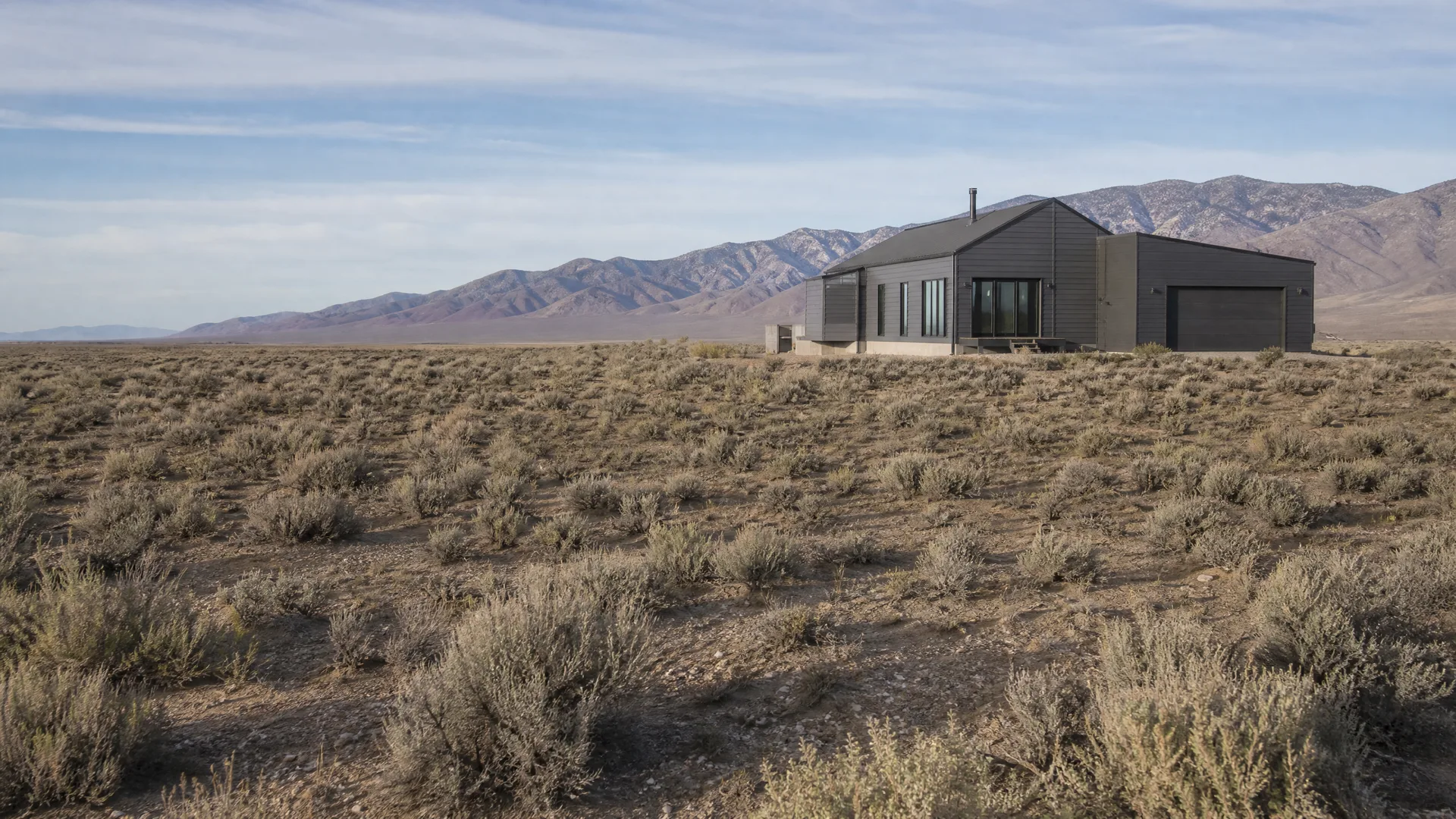
Indoor thermostat calls for heat and the reversing valve sets direction.
Outdoor coil pulls heat from the cold air into the refrigerant.
Compressor squeezes that refrigerant until its temperature climbs higher.
Indoor coil releases that heat into the air moving through your ducts.
Power costs 13.26 cents per kilowatt-hour statewide
At that rate, a heat pump running long hours overnight costs less here than the same hours would in most other states. That's one reason gas heat is more common in Nevada homes, and why a heat pump running nonstop isn't hitting your wallet the way it might make you think.
EIA-861 2025 statewide residential average
A heat pump running nonstop on a cold Nevada night is doing what it was built to do when the air outside has less heat to give it. Long run times are normal. A fan that never delivers warm air, a house that keeps losing ground on the thermostat, or a unit that never runs its defrost cycle is not. If you've gotten this far still unsure which one you're looking at, you don't have to sort it out by searching contractor listings, calling a handful of them, explaining the same fan noise and thermostat reading over and over, then lining up quotes to see who actually knows heat pumps in the cold. You can get matched with a contractor who handles this equipment and let them call you instead. Either your system is working through a cold snap the way it's supposed to, or something in it needs attention, and a look at the unit itself will tell you which.





A heat pump pro near you
Explain the job once and skip repeating it on every call.
Sending the form costs nothing.